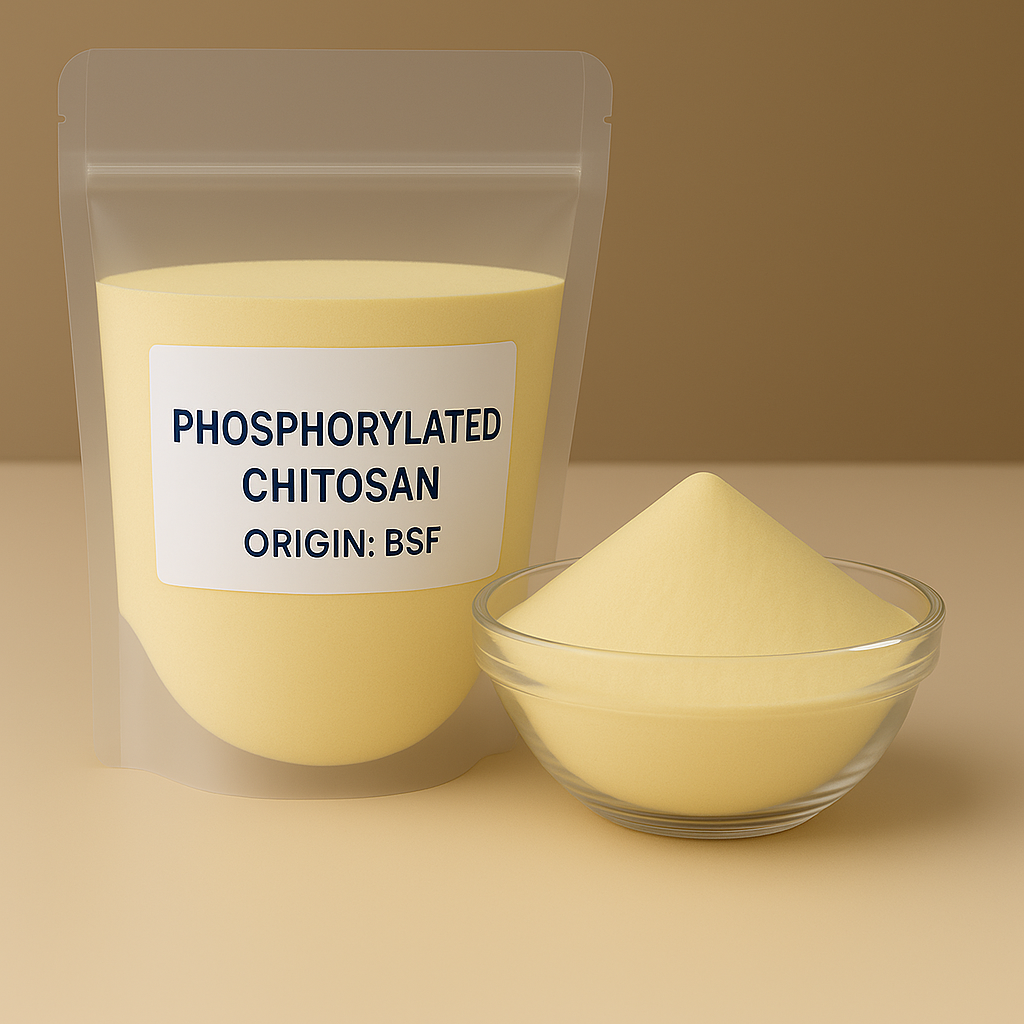
Phosphorylated Chitosan: High-Performance Biopolymer for Bone Regeneration, Gene Delivery & Metal Recovery
Water-Soluble • Osteoconductive • Metal-Chelating • Industry-Ready
Buy Phosphorylated Chitosan
At Chitosan Global, we are pioneering next-generation chitosan derivatives designed for advanced performance. Phosphorylated Chitosan is a high-bioactivity, water-soluble derivative created through phosphate group substitution. This powerful modification enhances bone-bonding affinity, solubility at physiological pH, and metal-binding capacity, unlocking diverse applications across tissue engineering, biotechnology, and environmental remediation.
Functions & Benefits
Enhances water solubility across wide pH ranges, including neutral physiological conditions.
Promotes osteoconductivity by mimicking natural bone minerals to accelerate biomineralization.
Facilitates gene and drug delivery through stable polyplex formation with biomolecules.
Binds heavy metals with high efficiency for advanced water purification and recovery.
Exhibits potent antioxidant and flame-retardant properties.
Suitable for bone scaffolds, dental implants, wound healing, and wastewater treatment.
Molecular Structure of Phosphorylated Chitosan
Phosphorylated Chitosan integrates phosphate groups into the amino structure of chitosan, creating:
Water-Soluble Biopolymer
Stable across diverse conditions: The introduction of phosphate groups ensures high solubility in water and physiological buffers (neutral pH).
Phosphate Group Substitution
- Enhances osteoconductive and catalytic activity: Mimics the mineralized matrix of bone to promote biomineralization and acts as a versatile heterogeneous catalyst.
Structural Benefits
Increases microbial inhibition and metal chelation: Features high electron density for rapid adsorption of heavy metals and potent antimicrobial action.
Gemini said The Power of Phosphorylated Chitosan
Phosphorylated Chitosan (PC) is a high-performance derivative that transcends the limitations of standard chitosan. By grafting phosphate groups (PO₄³⁻) onto the chitosan backbone, it gains a “molecular upgrade” that makes it one of the most powerful biopolymers for medical and industrial innovation.
Solubility & Bioavailability
Standard chitosan is only soluble in acidic conditions, which limits its use in the human body.
The Upgrade: Phosphorylation grants it pH-independent solubility.
The Impact: It remains fully dissolved at neutral physiological pH (7.4), allowing it to interact seamlessly with blood, cells, and tissues. This makes it a superior “bio-ink” for 3D bioprinting and injectable drug delivery.
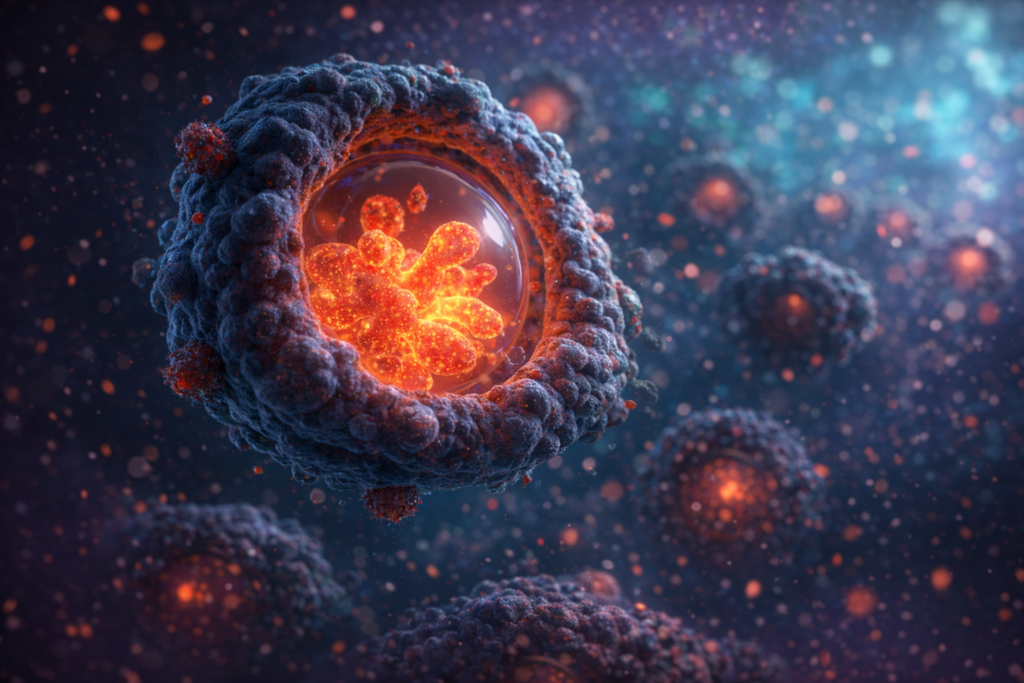
"Bone Mimicry" (Osteoconductivity)
Perhaps the most significant “power” of PC is its ability to trick the body into growing bone.
The Mechanism: The phosphate groups act as active sites that capture calcium ions from the blood.
The Impact: This triggers the rapid formation of Hydroxyapatite—the primary mineral in human bone. Scaffolds made of PC don’t just hold space; they actively “seed” new bone growth, making them essential for dental implants and orthopedic surgery.
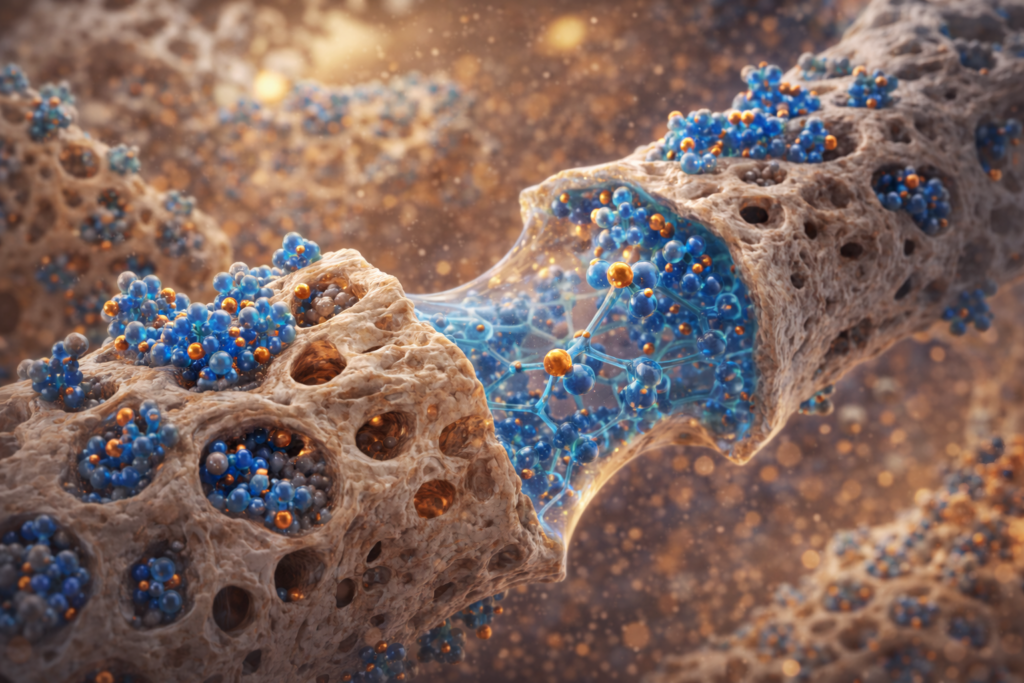
Radical Scavenging (Antioxidant)
PC is a potent defender against oxidative stress.
The Mechanism: The electron-rich phosphate groups enhance the polymer’s ability to neutralize free radicals.
The Impact: In wound healing, this reduces inflammation and protects healthy cells from damage, leading to significantly faster recovery times for chronic wounds, such as diabetic ulcers.
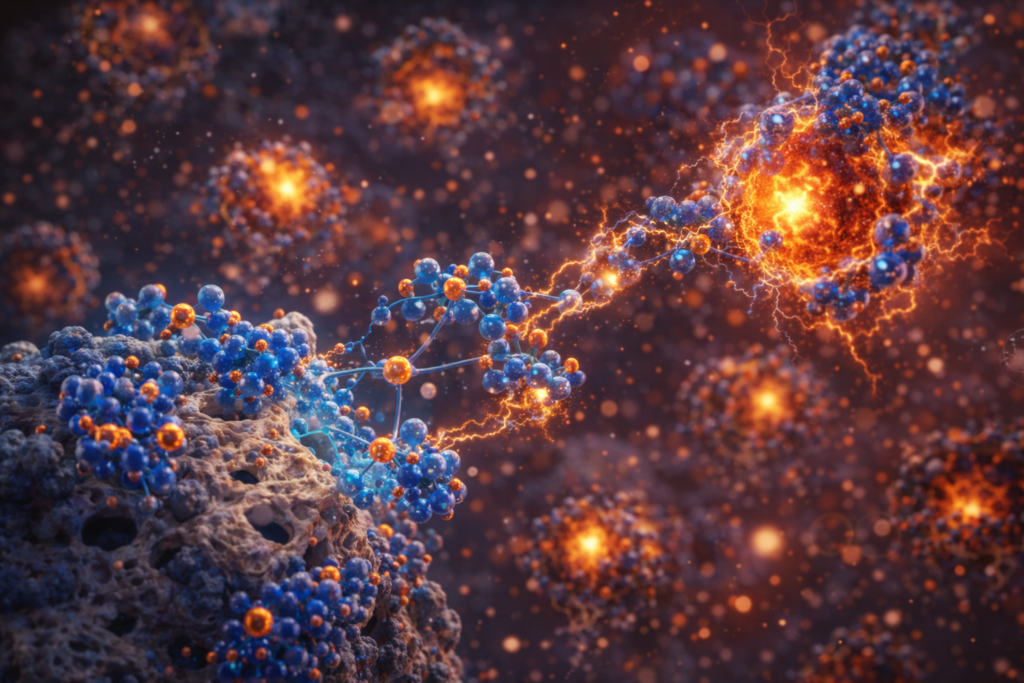
Molecular "Magnets" (Chelation)
In the environmental sector, PC acts as a high-capacity molecular filter.
The Mechanism: The phosphate groups provide strong coordination sites for heavy metals.
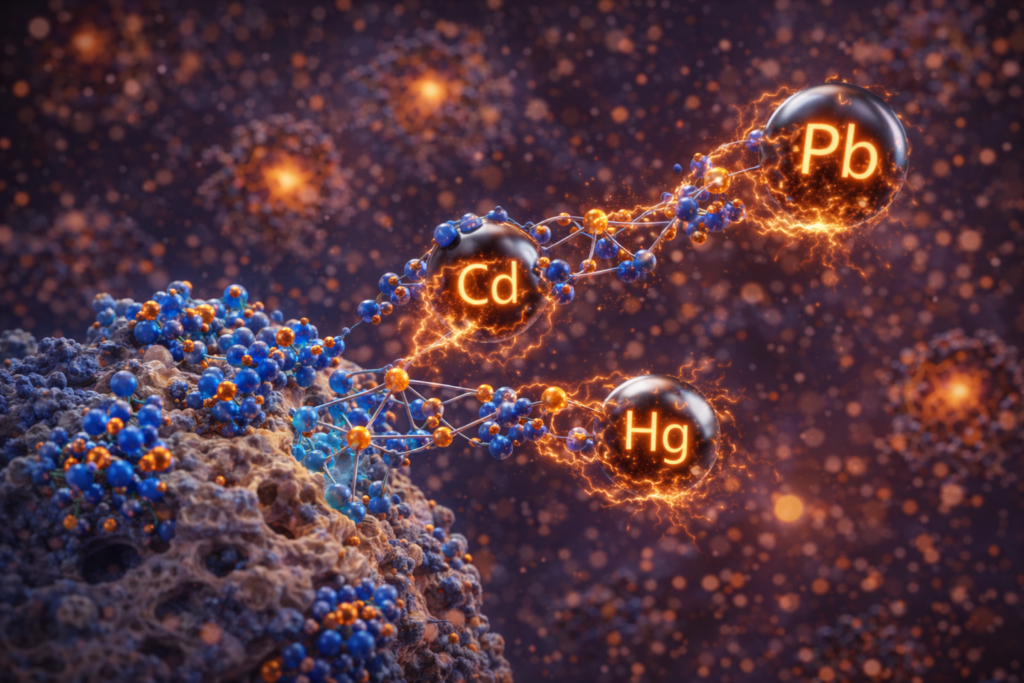
Impact: It can selectively bind and remove toxic metal ions—such as lead (Pb²⁺), copper (Cu²⁺), and cadmium (Cd²⁺)—from wastewater with significantly higher efficiency than unmodified chitosan.
Phosphorylated Chitosan vs. Traditional Chitosan: A Technical Comparison
| Feature | Phosphorylated Chitosan | Traditional Chitosan |
|---|---|---|
| Solubility | Fully water-soluble at neutral and broad pH ranges | Limited; requires acidic pH to dissolve |
| Bone Bioactivity | High Osteoconductivity; mimics bone minerals (Apatite formation) | Low; biologically inert regarding bone mineralization |
| Antioxidant Power | Enhanced radical scavenging via phosphate groups | Moderate; dependent on primary amino/hydroxyl groups |
| Medical Use | Bone tissue engineering, dental repair, and gene delivery | Basic wound dressings and dietary supplements |
| Metal Binding | Superior efficiency for heavy metal and rare earth recovery | Moderate efficiency; limited by pH-driven solubility |
| Microbial Action | Broad antiviral, antifungal, and enhanced antibacterial | Primarily antibacterial; less effective at neutral pH |
| Applications | Regenerative medicine, advanced filtration, and catalysis | Food preservation, agriculture, and basic biomaterials |
Industrial Applications of Phosphorylated Chitosan (Soldier Fly / Biotech Sources)
Cosmetics & Food Science
Antioxidant Skin Protection: Integrated into bioactive serums and gels to protect against oxidative skin damage.
Protective Coatings: Used as an antimicrobial and antioxidant coating to extend the shelf life of perishable food products.
Medical & Pharmaceutical Applications
Bone Tissue Engineering: Acts as an osteoconductive scaffold that mimics natural bone minerals to accelerate biomineralization.
Dental Biomaterials: Used in tooth enamel repair and dental implants due to its high affinity for calcium.
Advanced Wound Healing: Promotes rapid tissue repair and serves as a bioactive coating for implants.
Targeted Gene Delivery: Forms stable polyplexes for safe and efficient delivery of DNA and therapeutic proteins.
Environmental & Water Treatment
Heavy Metal Sequestration: Binds toxic heavy metals like Lead, Copper, and Cadmium with high efficiency for water purification.
Rare Earth Element Recovery: Utilized in the selective recovery of high-value metals from industrial waste.
Sustainable Remediation: Serves as an eco-friendly, biodegradable alternative to synthetic chemical chelators.
Catalysis & Industrial Innovation
Biocatalyst Carrier: Functions as a stable carrier for enzyme immobilization and complex catalytic processes.
Eco-Friendly Flame Retardants: Used in textiles and polymers to enhance fire resistance through char formation.
Green Chemistry Initiatives: Supports sustainable industrial processes by serving as a high-value material for biotechnology.
Order High-Purity Phosphorylated Chitosan
Experience the new generation of chitosan derivatives with Sulphonated Chitosan.
Available in Medical, Pharmaceutical, Cosmetic, Industrial, and Catalytic Grades.